
radiator hose suitable for your car
Affordable radiator hose
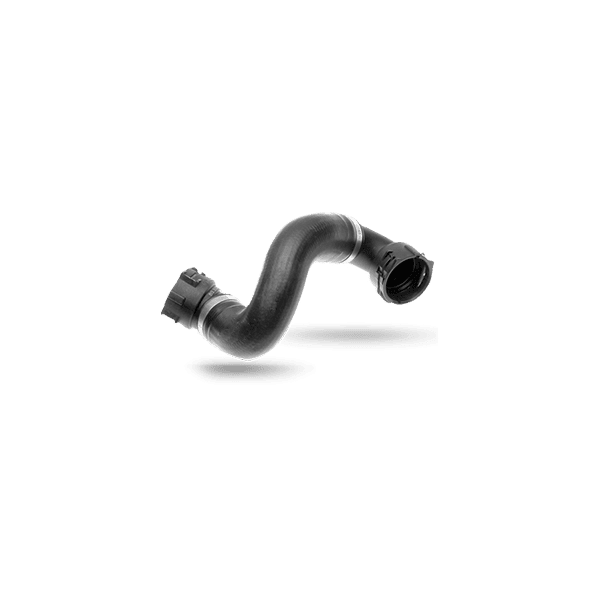
Water pipe from leading manufacturers
Radiator hose for major car brands
Buy and change the water pipe on your car model
Top-selling items: radiator hose
Top-selling replacement parts in the water pipe section. Choose from a vast selection of spare parts from various brands, plus additional low-cost offers in our range.
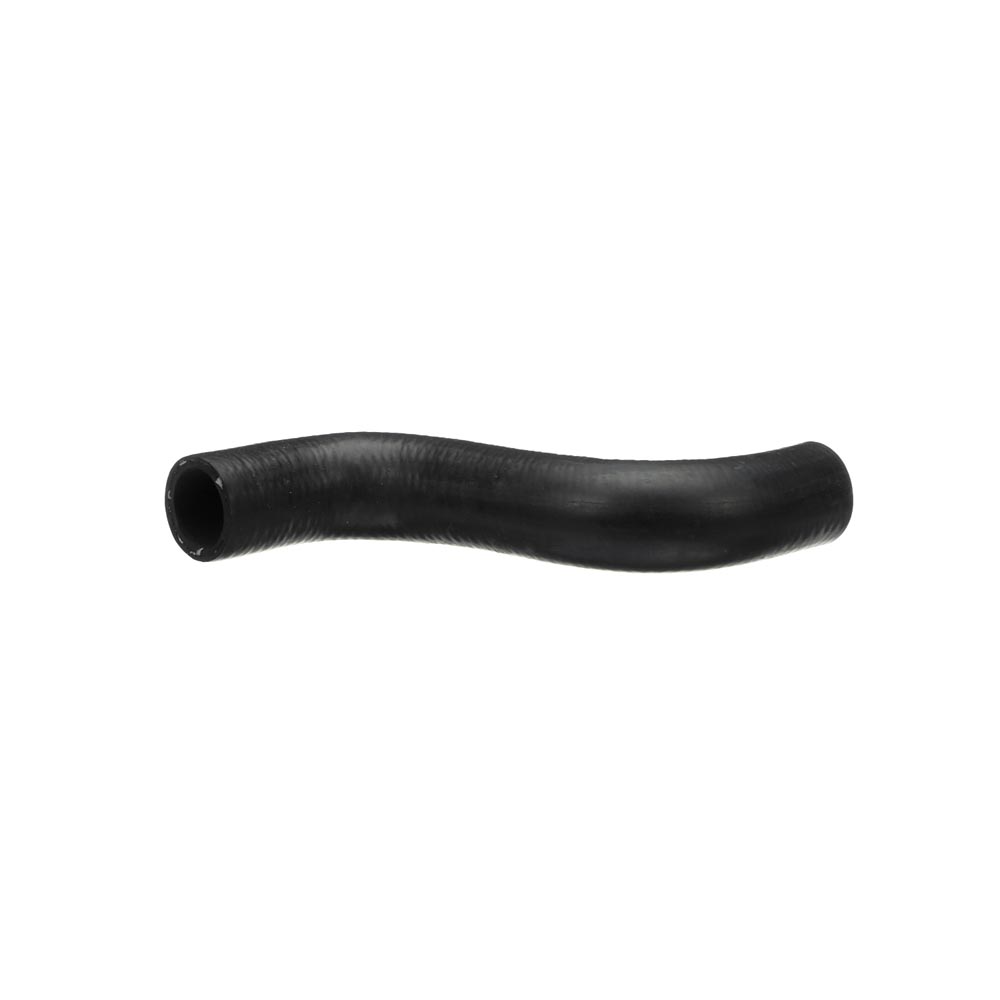 GATES 4275-13474 Radiator hose
EPDM (ethylene propylene diene Monomer (M-class) rubber)
GATES 4275-13474 Radiator hose
EPDM (ethylene propylene diene Monomer (M-class) rubber)
Sold by AUTODOC
 LEMA 9800.00 Radiator hose
Sold by AUTODOC
 FEBI BILSTEIN 47770 Radiator hose
Plastic, with quick couplers
FEBI BILSTEIN 47770 Radiator hose
Plastic, with quick couplers
Sold by AUTODOC
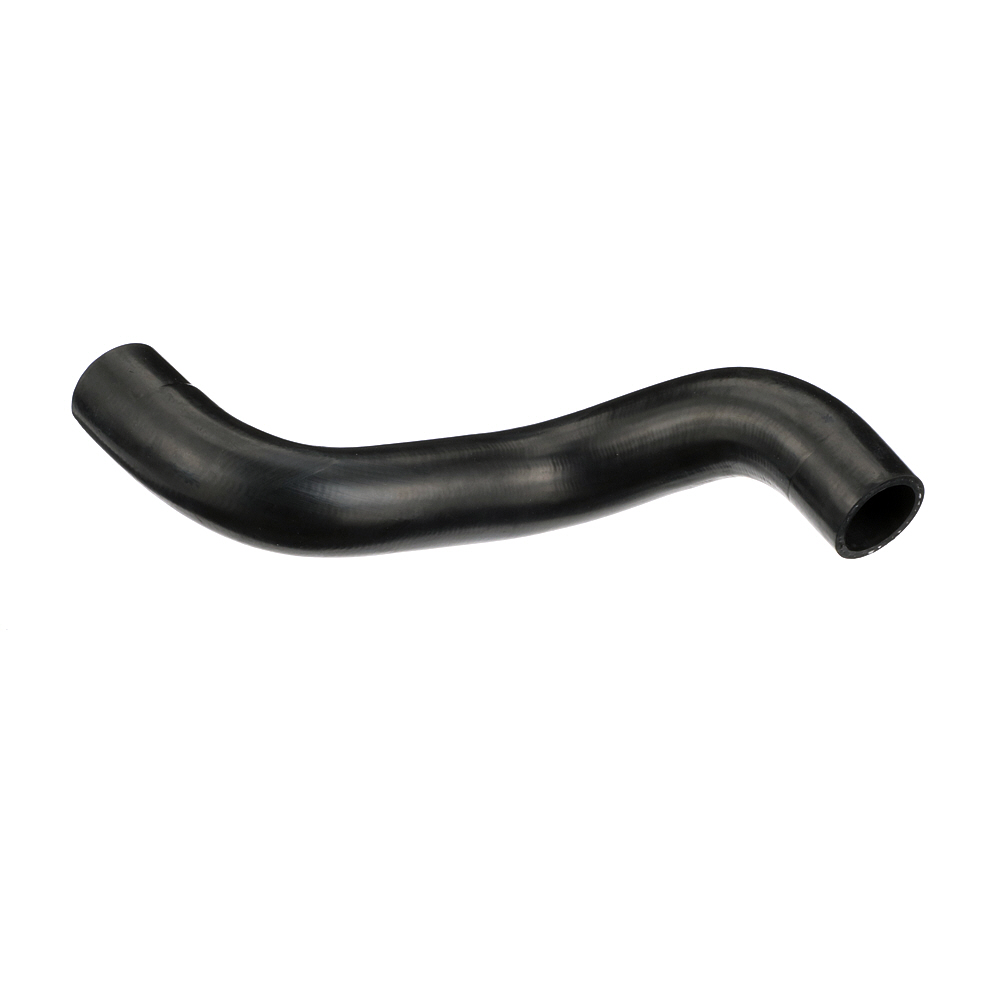 GATES 4275-54631 Radiator hose
EPDM (ethylene propylene diene Monomer (M-class) rubber)
GATES 4275-54631 Radiator hose
EPDM (ethylene propylene diene Monomer (M-class) rubber)
Sold by AUTODOC
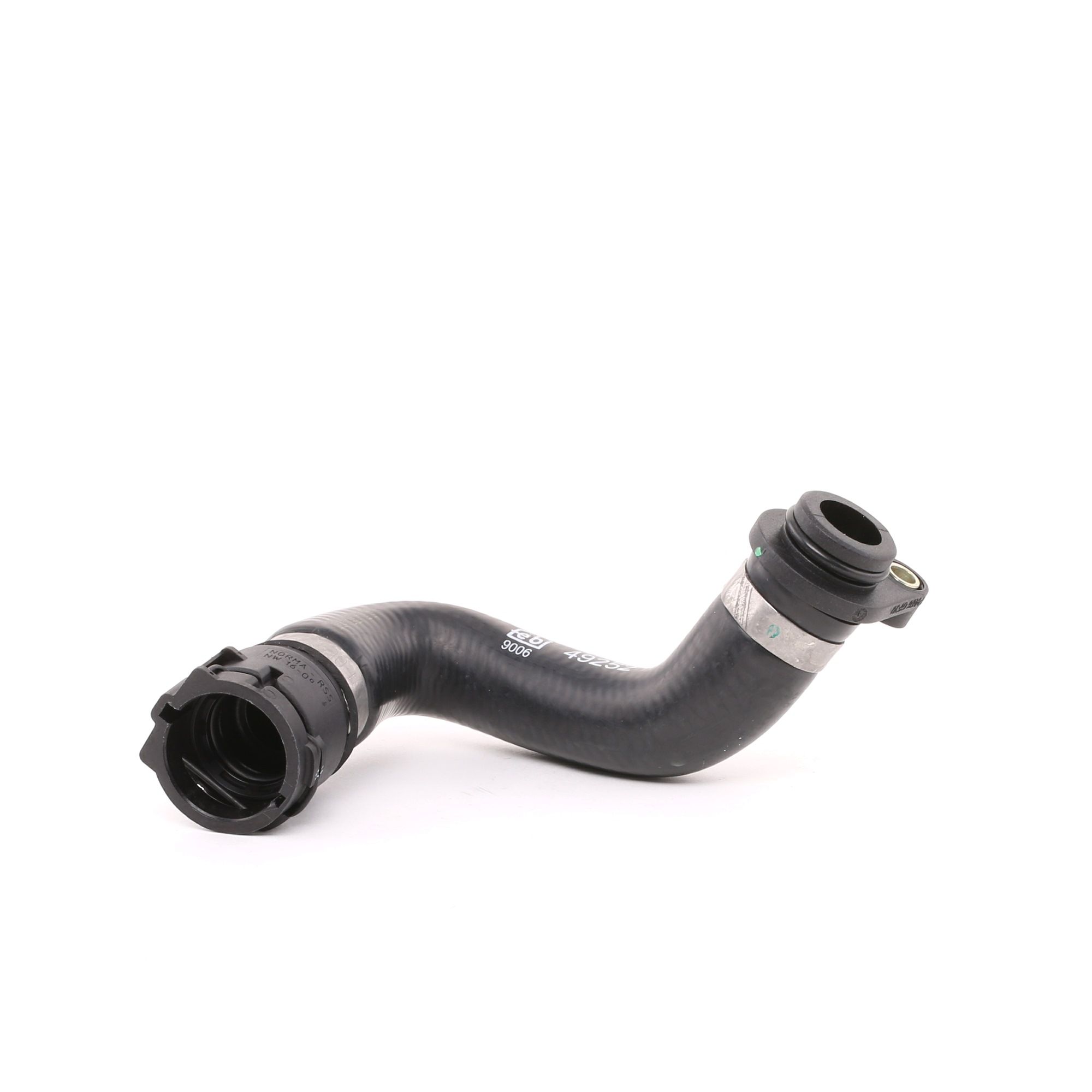 FEBI BILSTEIN 49252 Radiator hose
EPDM (ethylene propylene diene Monomer (M-class) rubber), Plastic, with quick couplers
FEBI BILSTEIN 49252 Radiator hose
EPDM (ethylene propylene diene Monomer (M-class) rubber), Plastic, with quick couplers
Sold by AUTODOC
 SASIC SWH0504 Radiator hose
Centre right
SASIC SWH0504 Radiator hose
Centre right
Sold by AUTODOC
 LEMA 9831.05 Radiator hose
Sold by AUTODOC
 LEMA 6062.06 Radiator hose
Upper
LEMA 6062.06 Radiator hose
Upper
Sold by AUTODOC
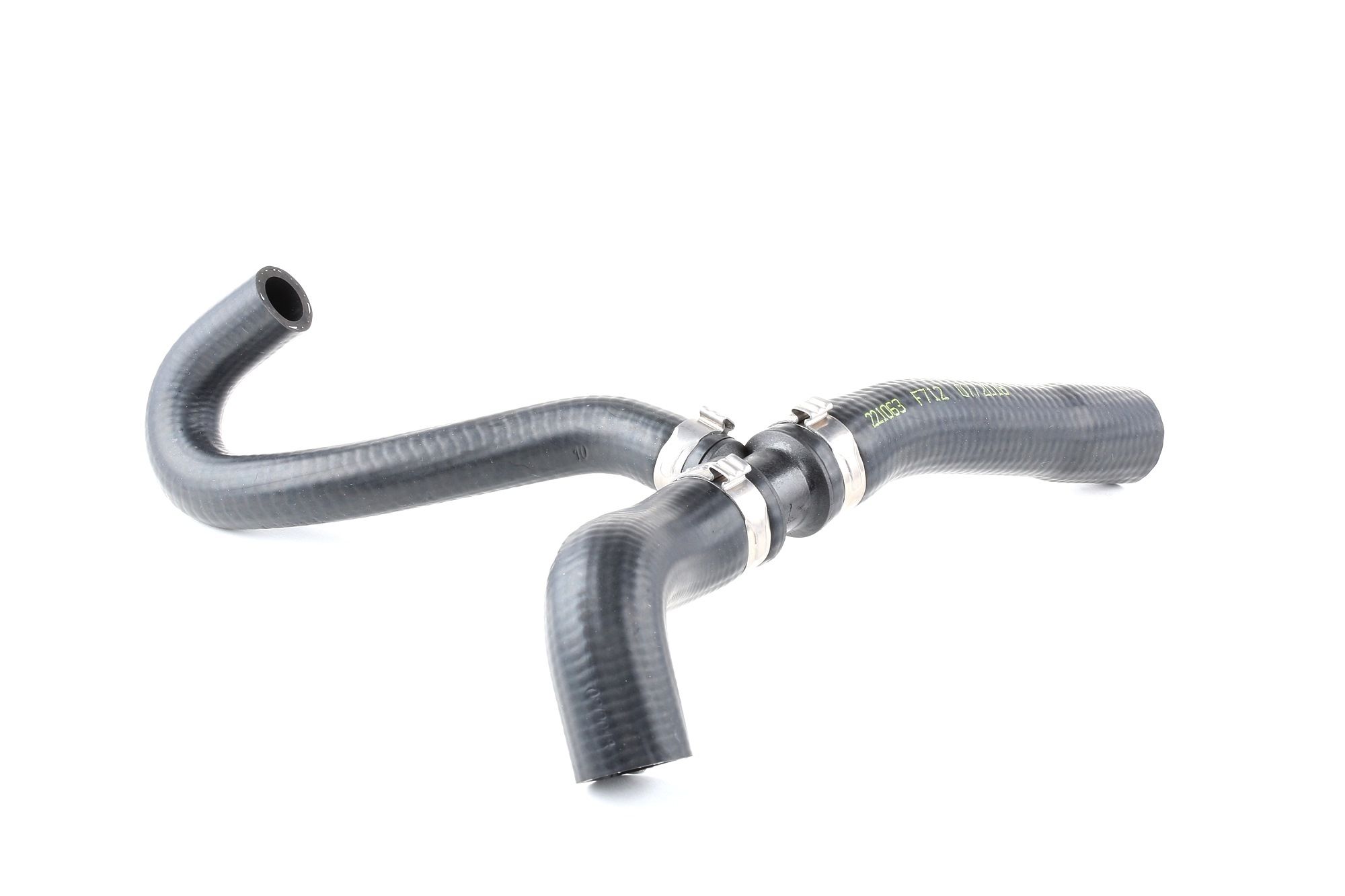 ORIGINAL IMPERIUM 221063 Radiator hose
Sold by AUTODOC
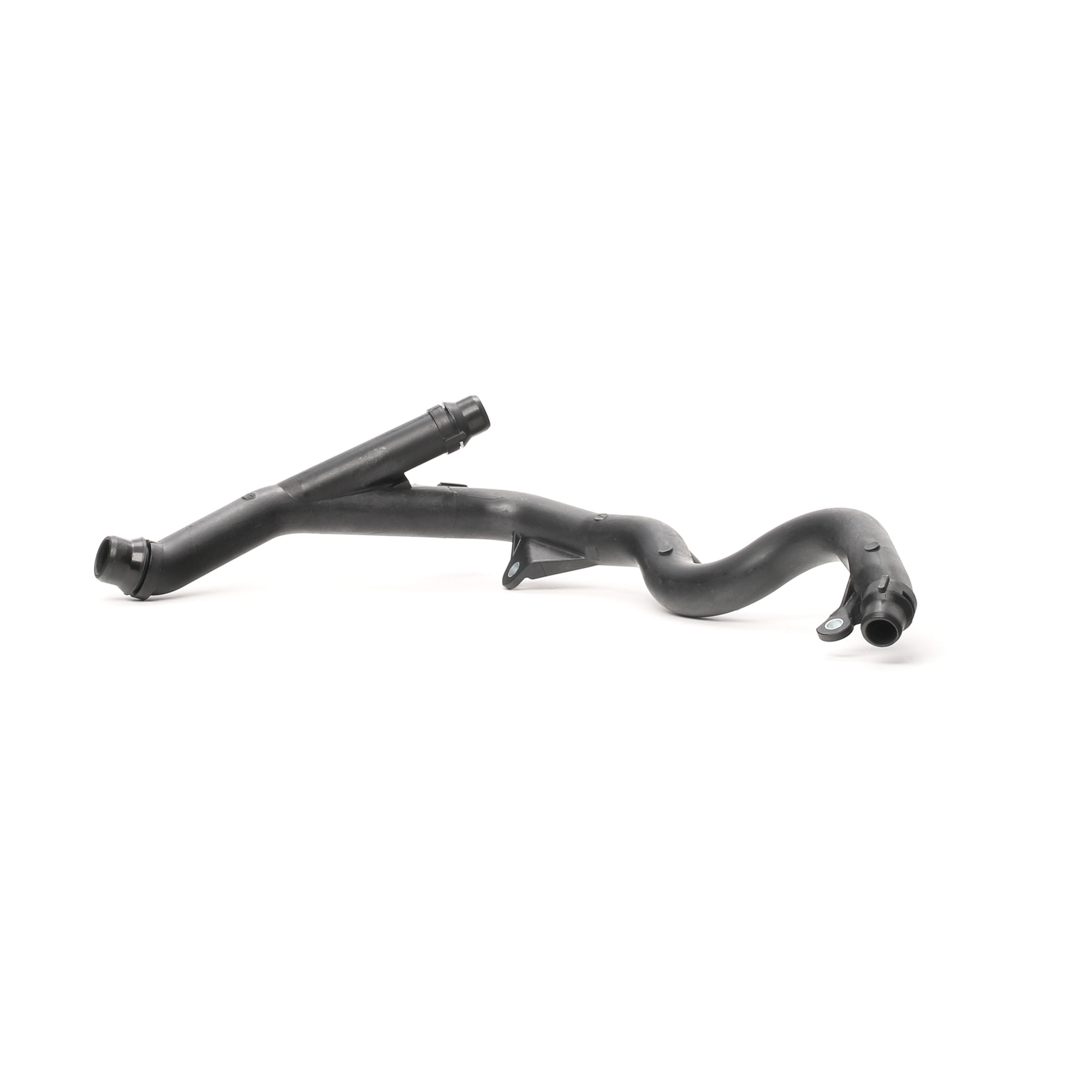 VAICO 1083643 Radiator hose
Original VAICO Quality
VAICO 1083643 Radiator hose
Original VAICO Quality
Sold by AUTODOC
 GATES 4275-13234 Radiator hose
EPDM (ethylene propylene diene Monomer (M-class) rubber)
GATES 4275-13234 Radiator hose
EPDM (ethylene propylene diene Monomer (M-class) rubber)
Sold by AUTODOC
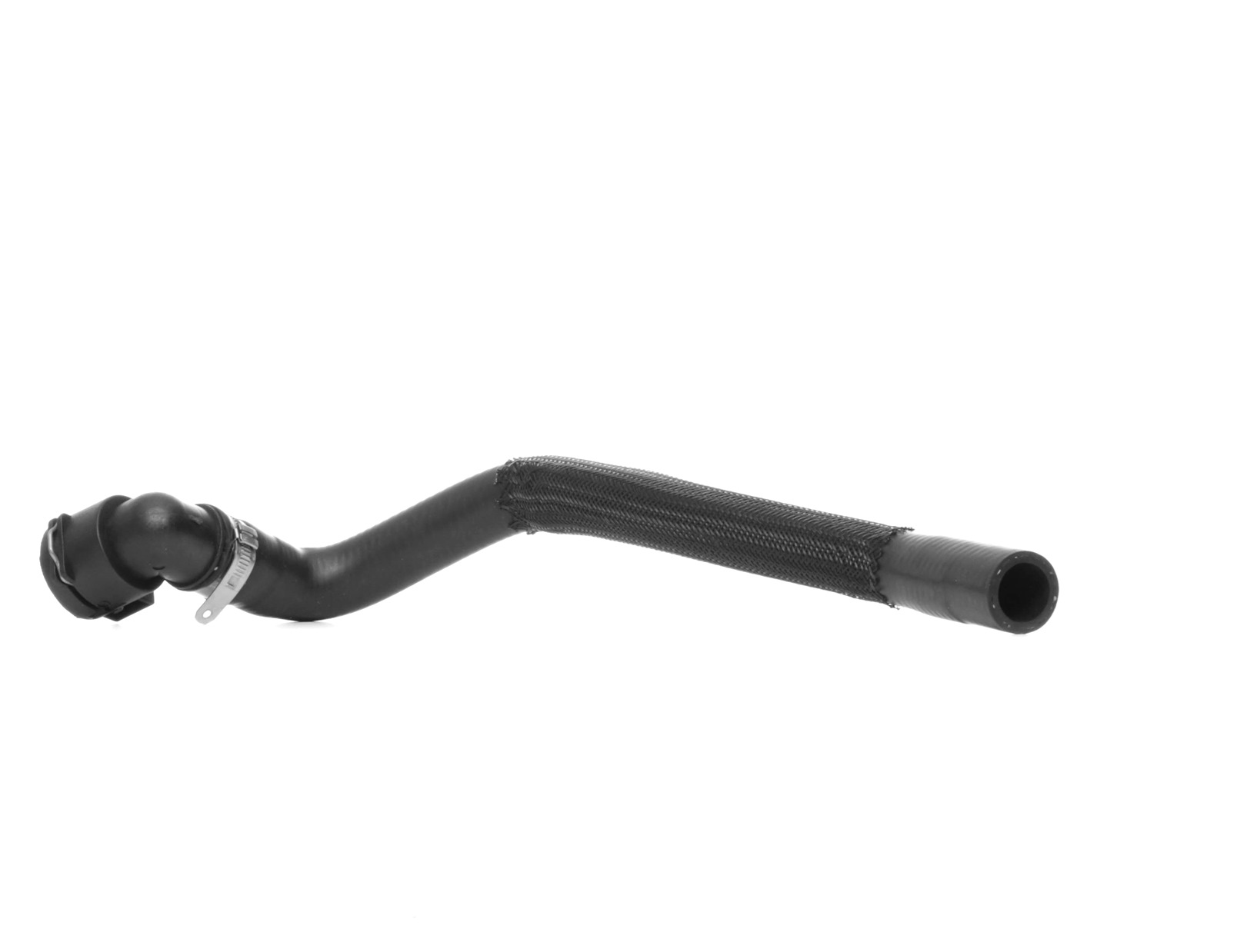 METZGER 2420180 Radiator hose
EPDM (ethylene propylene diene Monomer (M-class) rubber)
METZGER 2420180 Radiator hose
EPDM (ethylene propylene diene Monomer (M-class) rubber)
Sold by AUTODOC
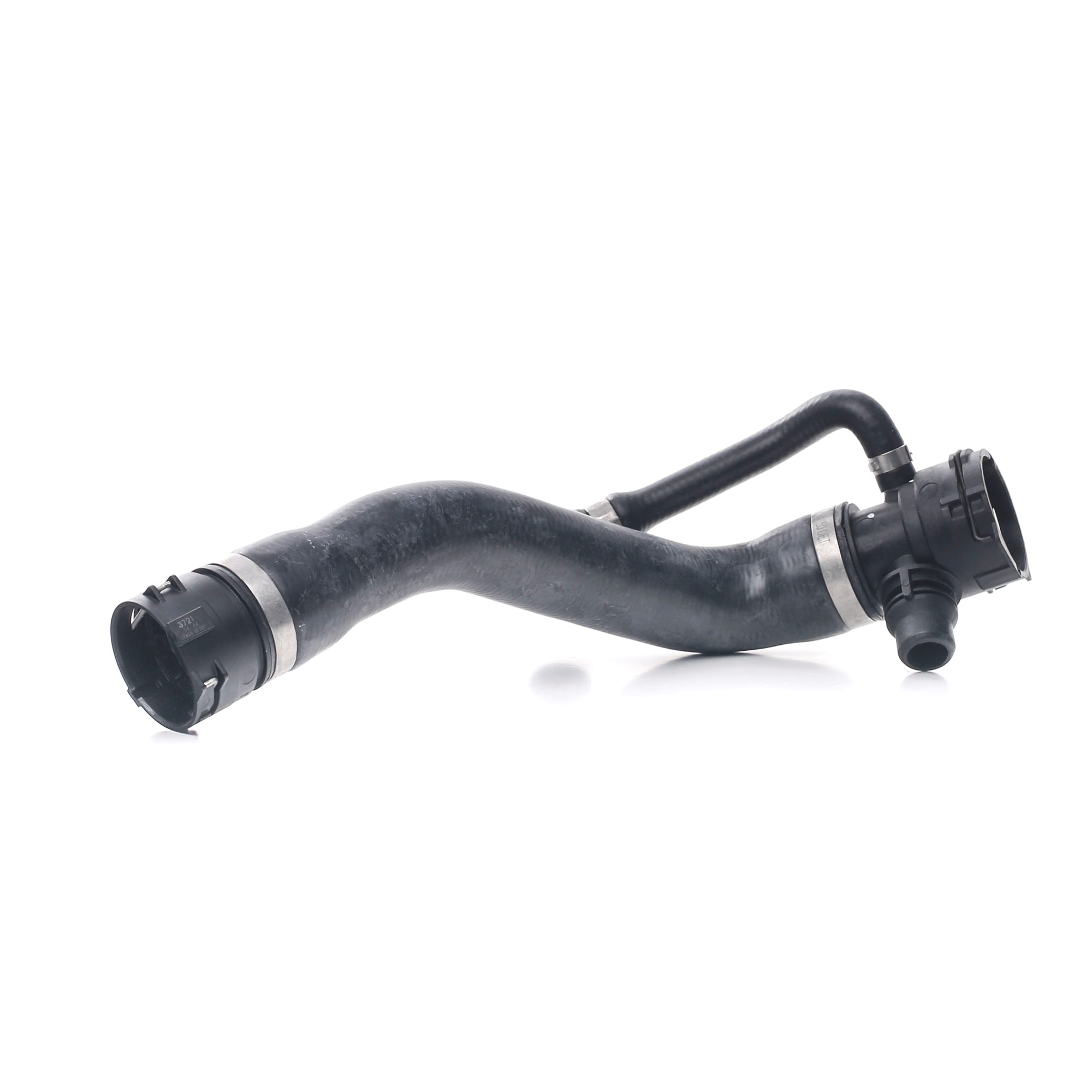 GATES 4275-54102 Radiator hose
EPDM (ethylene propylene diene Monomer (M-class) rubber)
GATES 4275-54102 Radiator hose
EPDM (ethylene propylene diene Monomer (M-class) rubber)
Sold by AUTODOC
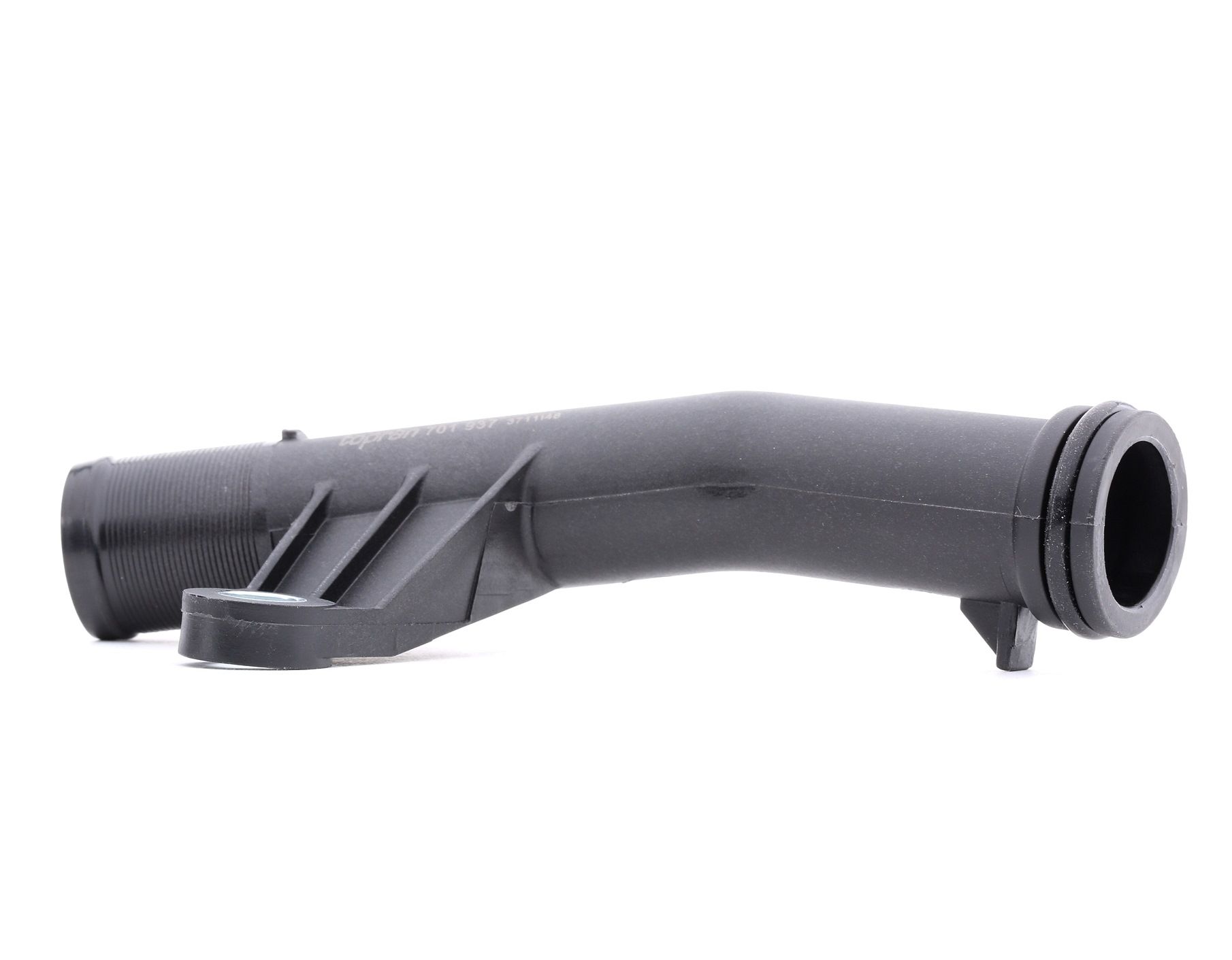 TOPRAN 701 937 001 Coolant Tube
with gasket/seal
TOPRAN 701 937 001 Coolant Tube
with gasket/seal
Sold by AUTODOC
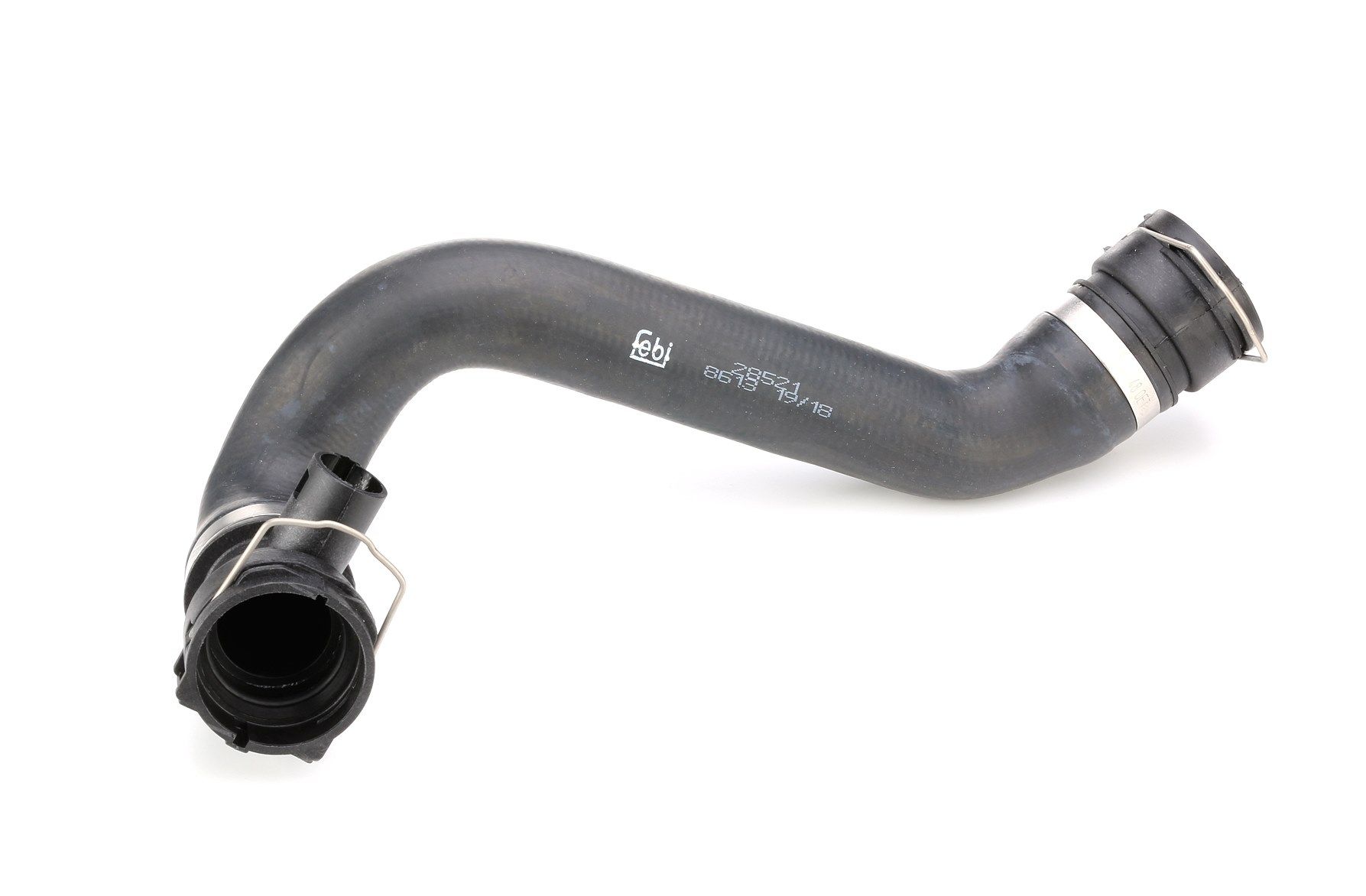 FEBI BILSTEIN 28521 Radiator hose
Lower Right, EPDM (ethylene propylene diene Monomer (M-class) rubber), with quick couplers
FEBI BILSTEIN 28521 Radiator hose
Lower Right, EPDM (ethylene propylene diene Monomer (M-class) rubber), with quick couplers
Sold by AUTODOC
 GATES 4275-55256 Radiator hose
EPDM (ethylene propylene diene Monomer (M-class) rubber)
GATES 4275-55256 Radiator hose
EPDM (ethylene propylene diene Monomer (M-class) rubber)
Sold by AUTODOC
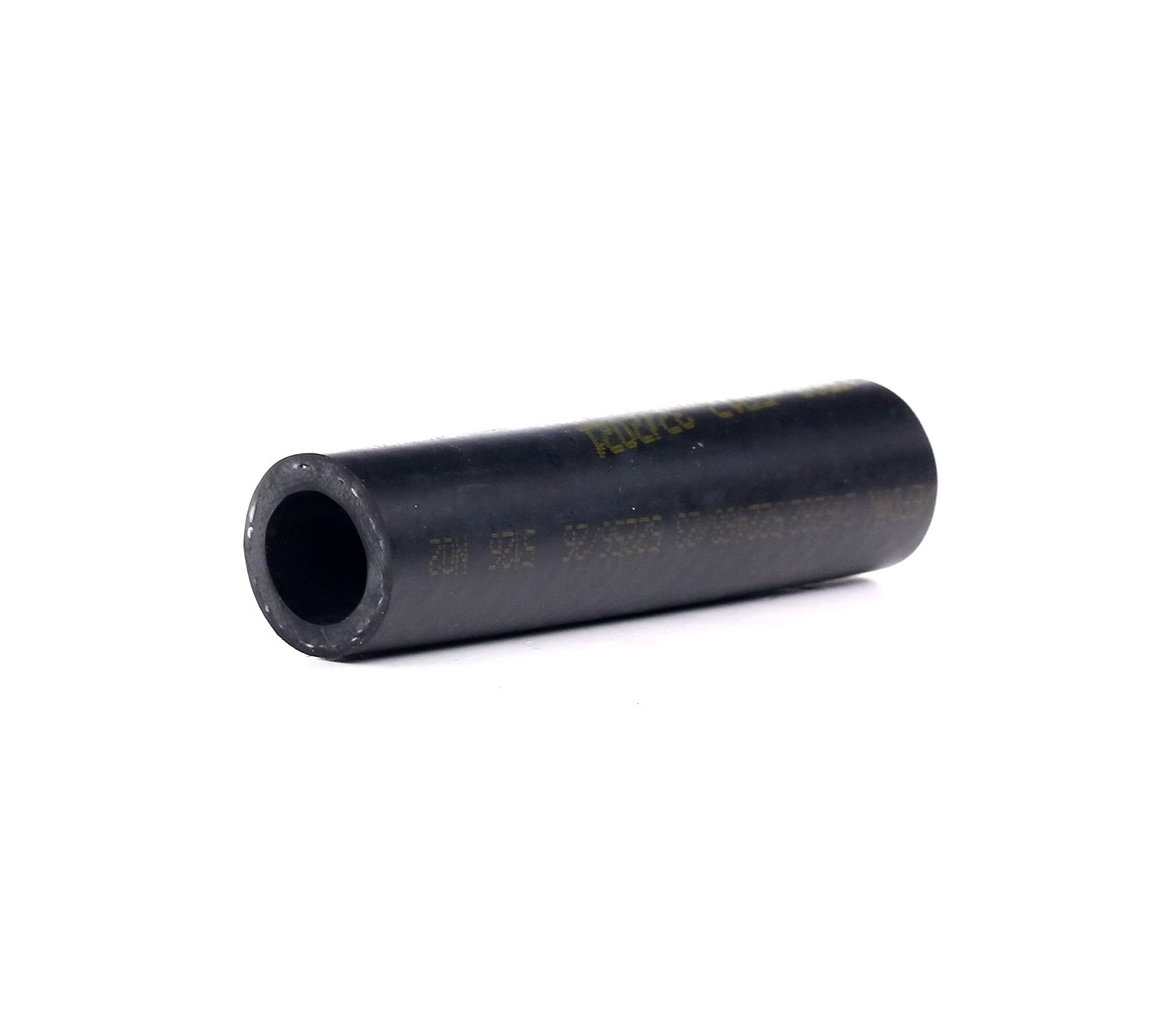 ORIGINAL IMPERIUM 17703 Radiator hose
Rubber
ORIGINAL IMPERIUM 17703 Radiator hose
Rubber
Sold by AUTODOC
 GT-BERGMANN GT52-483 Radiator hose
Plastic
GT-BERGMANN GT52-483 Radiator hose
Plastic
Sold by AUTODOC
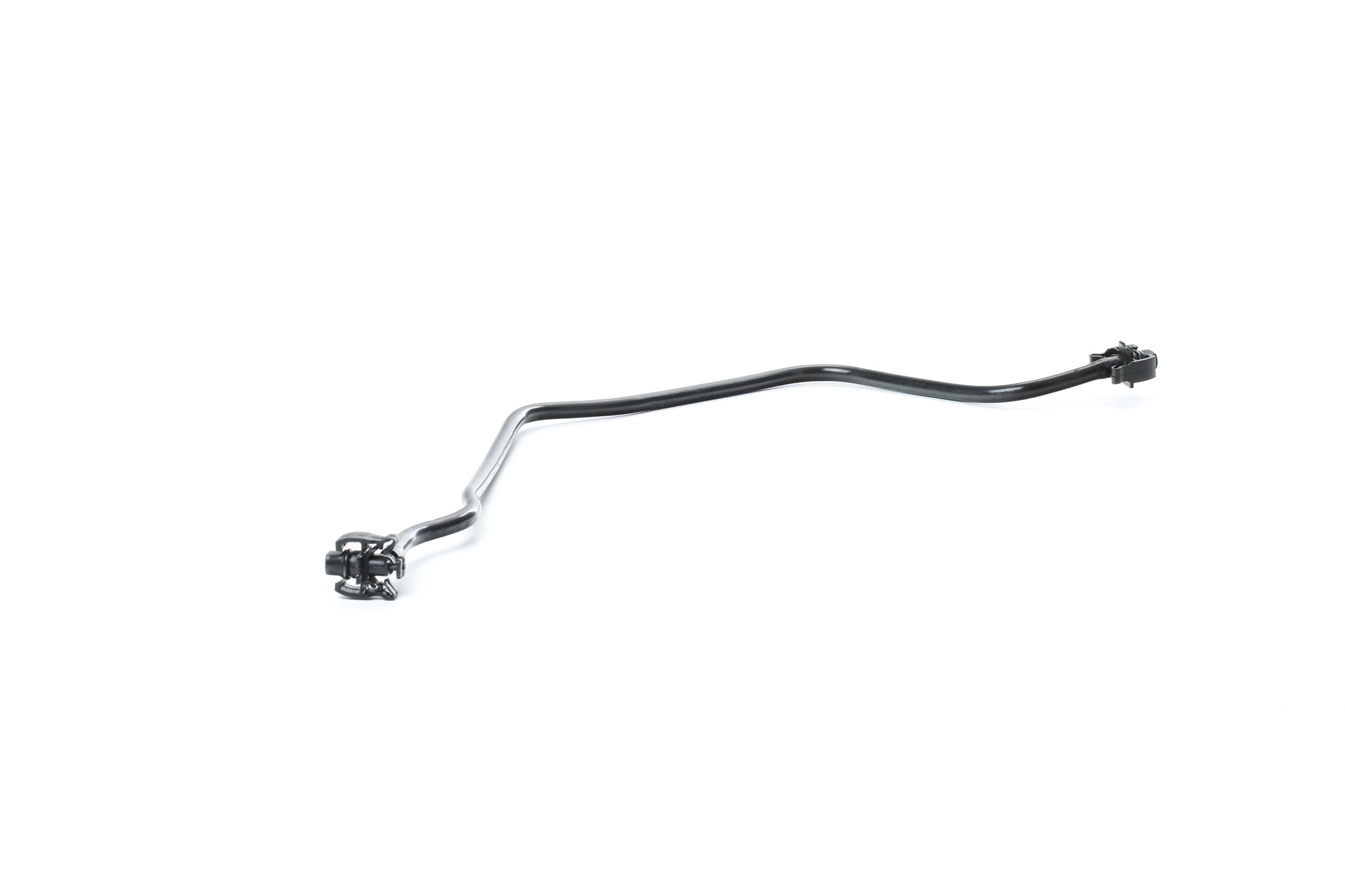 DR.MOTOR AUTOMOTIVE DRM6507 Radiator hose
Sold by AUTODOC
 GATES 4275-53208 Radiator hose
EPDM (ethylene propylene diene Monomer (M-class) rubber)
GATES 4275-53208 Radiator hose
EPDM (ethylene propylene diene Monomer (M-class) rubber)
Sold by AUTODOC
| The bestselling products: | |||||
|---|---|---|---|---|---|
| 14029 | 701 937 | 5065.01 | 3472 | 3234 | 3474 |
| For popular car brands: | |||||
| RENAULT | PEUGEOT | VW | CITROËN | BMW | AUDI |
| Radiator hose – technical details | |||||
| Cooling Hose | Length [mm] | Fitting Position | |||
| from thermostat to waterpump | from engine to water pump | 80 | 42,4 | Centre right | Upper Left |
| from engine to thermostat | from expansion tank to water pipe | 166 | 176 | Right | Upper |
| from water pipe to water pump | from oil cooler to water pipe | 130 | 100 | Lower | Main Expansion Tank |
Coolant hose for cars: find out more! How to choose, when to change , and how much they cost
Radiator hoses are elements which ensure coolant circulation between the main components of the cooling system. Usually they are made of elastic materials in order to absorb engine vibrations and not transmit them to the radiator.
Types
By designation:
- Inlet: hot coolant is supplied to the radiator through these.
- Outlet: cooled fluid circulates through these.
By design:
- Conventional: these are straight or bent hoses which are connected to pipes, other hoses or directly with units. Usually, these are universal-fit products and can be cut to the required length and installed on different vehicle models.
- Modular: these are components with connectors, designed for fluid supply to various pieces of equipment mounted under the bonnet. In most cases they have come pre-assembled with all necessary couplings and clamps, ready for installation. They are designed for use in a specific vehicle model.
By production material:
- Rubber: these are durable and elastic. They can be reinforced with synthetic fibres – aramid for instance.
- Plastic: these retain durability and stiffness when heated. However, they are less elastic than rubber ones.
- Metal: these hoses are used in areas that are subjected to high temperatures.
- Silicon: these hoses tend to have a long service life. They do not dry out and crack over time. Such hoses are more expensive than the standard rubber or plastic ones.
Operating tips
Only install parts with specifications that meet the technical requirements of your vehicle. Replace the coolant within the scheduled intervals. Clean the radiator regularly. From time to time, check and, if necessary, tighten the hose clamps. Try to prevent air locks appearing in the cooling system. If they are already present, bleed the air from the system. Keep the under-bonnet space clean. Prevent oil and other technical fluids coming into contact with the surfaces of the components. When installing radiator hoses, don’t let them touch moving or hot parts, or sharp edges. Replace them every 3–4 years.
Signs of defects
Leaks in radiator hoses are indicated by puddles of coolant under the car or traces in the under-bonnet space. An indicator signalising low coolant level may light up on the dashboard. Deformation and kinks in the part can indicate loss of elasticity. Stretching of a hose can often be indicated by the appearance of swollen areas or bulges.
Causes of defects
Cooling system hoses work in conditions of constant temperature fluctuations. Over time this leads to loss of durability of the material they are made of, resulting in stretching, thinning walls, and cracking. The inner surface can deteriorate due to the use of inappropriate fluid. Use of components made of different metals in the system can cause the formation of electric charges, which can lead to electrochemical degradation of radiator hoses.
autodoc24.fr: only high-quality automotive spare parts
In our online shop you can buy radiator hoses at a very attractive price. We back up the quality of each product with a long-term warranty, and provide fast order processing and shipping. Try our service for yourself – you’ll be impressed by the value and convenience.

Confidence in online shopping! You can return a spare part without explanation within 200 days after purchase and get your money back. How? Just use the Safe Order service at the checkout page. The service cost is only 3,95 €.

Each order from 120 € value of goods, include free shipping within France.
*Does not apply to large-size auto parts.
*Except/excluding areas with the following postcodes: 971XX - 976XX, 986XX - 988XX

